
Psychedelics and Religious Liberty in the United States
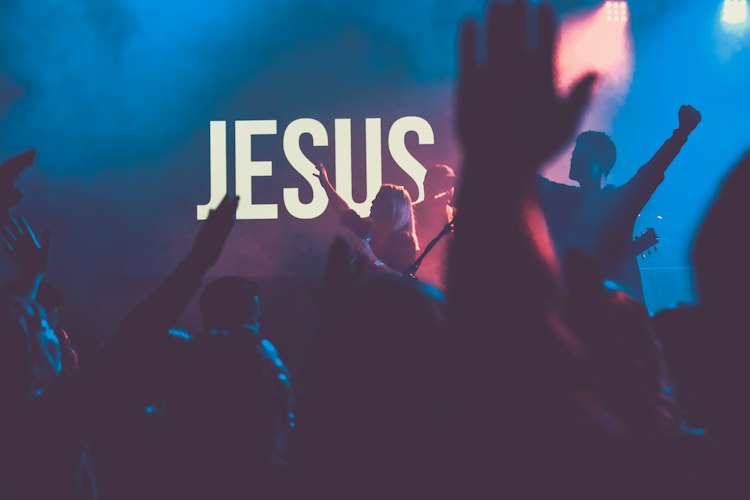
As we all grapple with the ongoing shifts of a changing world, many people are turning away from organized religion, seeking new ways to connect and find spiritual meaning, often using yoga, meditation circles, and psychedelics as a religious or spiritual practice, to help make sense of their lives and the world around them.
According to a Pew Research Center survey, 29% of U.S. adults now identify as having no religious affiliation, an increase of 6 percentage points from 2016. Experts say this exodus may be due to growing distrust of institutions, disillusionment with how certain religions have treated marginalized groups, and a desire for more personalized and flexible spiritual practices. Many younger people are looking for something different, and finding it in direct experience rather than inherited doctrine.
In response, many are incorporating psychedelics and plant medicines into sacred ceremonies and rituals intended to bring about profound shifts in perception and understanding. For centuries, religious groups have relied on entheogenic substances as powerful tools in their spiritual practice, whether used in sacred ceremonies or as a means of connecting with the divine. What is new is the legal framework that is beginning to catch up with this reality.
The Religious Freedom Restoration Act and Psychedelic Practice
The Religious Freedom Restoration Act (RFRA) prohibits the federal government from substantially burdening a person's exercise of religion, unless it can demonstrate a compelling governmental interest and that the burden is the least restrictive means of furthering that interest. This law has become central to a growing number of legal cases involving churches and spiritual communities that use psychedelics as sacrament.
The Native American Church's use of peyote has long been protected. More recently, the União do Vegetal (UDV) and Santo Daime, Brazilian religious traditions that use ayahuasca as their central sacrament, have won court battles affirming their right to practice in the United States. These precedents are opening space for a new generation of spiritually-oriented psychedelic communities seeking similar protections.
What this legal evolution reflects is something deeper: a growing cultural recognition that the human need for transcendence, for experiences that dissolve the boundaries of the ordinary self and reconnect us to something vast, is legitimate. Sacred, even. The substances change. The need does not. And the law, slowly, is beginning to honor that.
Continue with support
See whether this work fits your life
Five short questions can help you notice whether contemplative coaching is a useful next step.
See If This Is For You
Contemplative Coach · Work Mindfulness Institute™
Keith W. Fiveson is a contemplative coach who integrates mindfulness, breathwork, somatic awareness, IFS-informed parts work, and narrative inquiry. His work is coaching and can complement care from a licensed therapist or clinician.